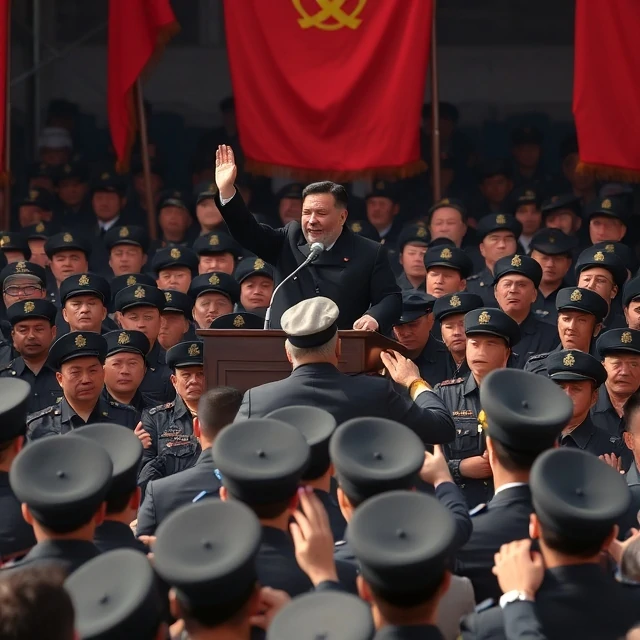
Some governments concentrate power in a single leader or a narrow elite and demand obedience rather than consent. Authoritarianism describes that pattern of rule. Political competition is restricted, independent institutions are weakened, and dissent is discouraged or punished.
Authoritarian regimes vary in their methods. Some rely on personalist rule, others on military juntas or dominant parties. Elections, if held at all, are usually managed to produce predetermined outcomes. Media, courts, and civil society face tight controls. The regime’s survival depends on a mix of coercion, co-optation, and performance legitimacy.
Citizens may still experience economic growth or public order, yet they lack meaningful channels to change their rulers. Transitions out of authoritarianism are often turbulent and uncertain. Comparative politics studies these systems to understand both their durability and the conditions under which they liberalize or collapse.
The absence of genuine political alternatives remains the clearest marker of authoritarian rule.
Comments (2)
Leave a comment