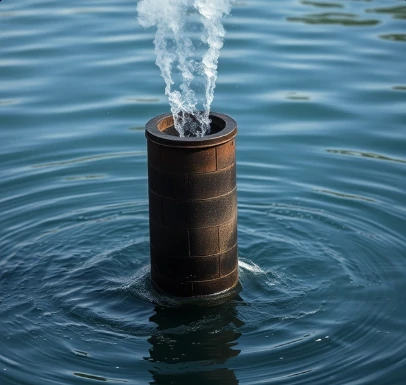
On the crest of mid-ocean ridges, seawater that has circulated through hot volcanic rock bursts back into the ocean at temperatures exceeding 350 °C. When the mineral-laden fluid meets cold ambient water, fine particles of metal sulfides precipitate instantly, creating the appearance of black smoke. The chimneys that form around these vents are called black smokers.
The structures can grow several meters high and support dense communities of tube worms, clams, shrimp, and microbes that derive energy from chemical reactions rather than sunlight. The fluids also deliver iron, copper, zinc, and other metals to the ocean. Black smokers were first observed in 1979 and overturned the assumption that all complex ecosystems require photosynthesis.
They remain difficult to study because of their depth and extreme conditions. Remotely operated vehicles and specialized sensors are required. The vents are ephemeral on geological timescales; individual smokers may last only decades before the underlying heat source shifts.
- Hydrothermal vent emitting dark mineral-rich fluid
- Forms sulfide chimneys on mid-ocean ridges
- Supports chemosynthetic ecosystems
- Discovered in the late 1970s
Comments
No comments yet. Be the first to share a thought.
Leave a comment