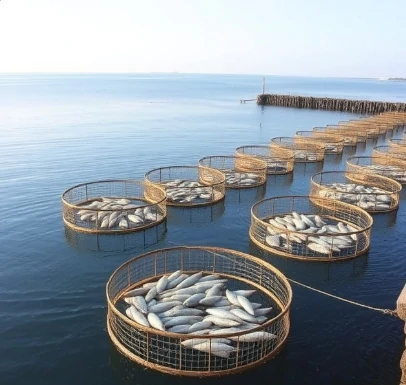
More than half the fish consumed worldwide now comes from farms rather than wild capture. Aquaculture is the controlled cultivation of aquatic animals and plants—finfish, shellfish, crustaceans, and seaweeds—in ponds, cages, tanks, or coastal waters.
Techniques range from extensive pond systems with minimal inputs to intensive recirculating facilities that filter and reuse water. Species such as salmon, shrimp, tilapia, and oysters dominate production. Proper site selection, feed management, and disease control determine both economic success and environmental impact.
Well-run farms can reduce pressure on wild stocks and supply protein with relatively low greenhouse-gas emissions. Poorly managed operations risk pollution, habitat conversion, and escapes of non-native species. Certification schemes and improved regulations aim to raise standards as the sector continues to expand.
- Farming of aquatic organisms for food
- Includes fish, shellfish, and seaweeds
- Ranges from extensive to intensive systems
- Can ease pressure on wild fisheries when well managed
Comments
No comments yet. Be the first to share a thought.
Leave a comment