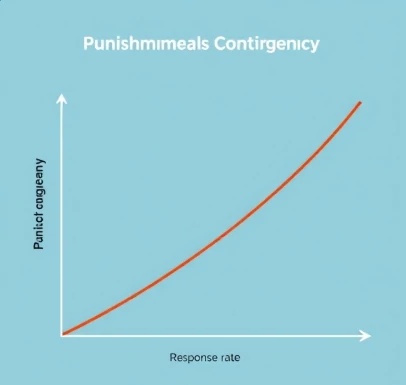
Punishment is any consequence that decreases the future probability of the behavior it follows. A child who touches a hot stove and feels pain is less likely to touch it again. A driver who receives a speeding ticket may slow down on the same stretch of road. The defining feature is the reduction in response rate, not the intention of the person delivering the consequence.
Two forms are distinguished. Positive punishment adds an aversive event. Negative punishment removes a desirable one—losing screen time, for example. Both can suppress behavior, yet both carry side effects. Punishment may produce fear, aggression, or escape attempts. It tells the organism what not to do without specifying what to do instead.
For these reasons many behavior analysts prefer reinforcement of alternative behaviors. When punishment is used, it is most effective when it is immediate, consistent, and paired with clear alternative responses that are reinforced.
- Decreases the likelihood of a behavior
- Positive form adds an aversive stimulus
- Negative form removes a positive stimulus
- Often produces unwanted emotional side effects
Ethical and practical considerations limit its use in applied settings.
Comments
No comments yet. Be the first to share a thought.
Leave a comment