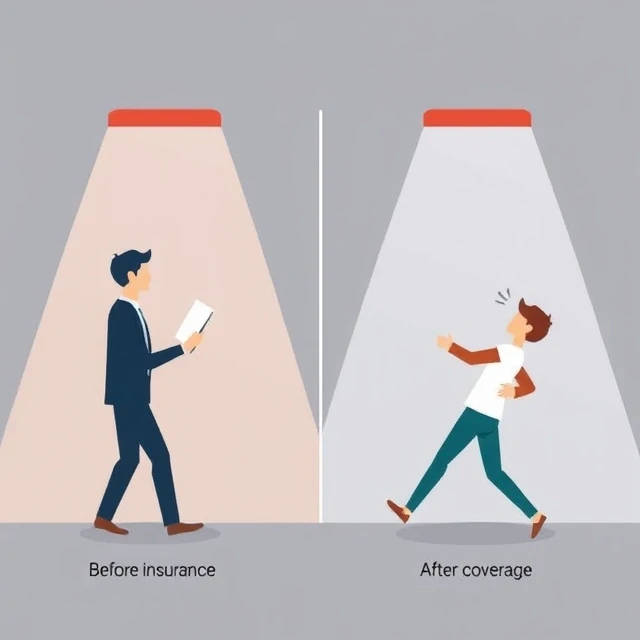
Once protected by insurance, some people take fewer precautions. Moral hazard is the tendency of insured parties to change their behavior in ways that increase the likelihood or size of a loss because they no longer bear the full cost.
Examples include reduced care in locking property, delaying repairs, or seeking more medical care than necessary. Moral hazard differs from adverse selection, which concerns who buys insurance; moral hazard concerns how insureds behave after coverage is in place. Both problems stem from asymmetric information.
Insurers mitigate moral hazard with deductibles, coinsurance, policy limits, exclusions, and loss-control requirements. Claims investigation and fraud detection also address deliberate abuse. Well-designed contracts keep enough financial incentive with the insured to encourage reasonable care while still providing meaningful protection against severe loss.
- Increased risk-taking because insurance is present
- Distinct from adverse selection
- Controlled by cost-sharing and monitoring
- Fundamental issue in insurance contract design
Comments
No comments yet. Be the first to share a thought.
Leave a comment