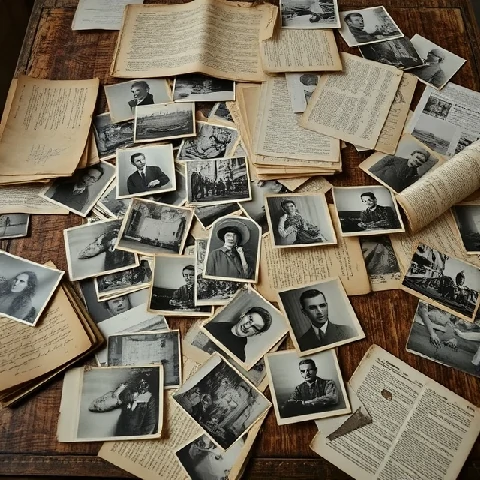
Everything that has already happened constitutes the past. Historians study selected portions of it, but the past itself is the entire sequence of prior events, conditions, and experiences, whether recorded or not.
The past is not directly accessible; it is known through traces—documents, objects, memories, and environmental evidence. Different cultures and disciplines construct different relationships to it, emphasizing continuity, rupture, progress, or decline. Personal memory and collective memory both selectively represent what has gone before.
Debates over the past often serve present purposes: legitimizing institutions, contesting injustices, or forging identities. Professional history tries to discipline those uses with evidence and argument. Yet the sheer extent of the past ensures that most of it remains unknown or only partially recovered.
- All time and events before the present
- Known only through incomplete traces
- Selectively remembered and interpreted
- Subject of both scholarly and public contest
Comments
No comments yet. Be the first to share a thought.
Leave a comment