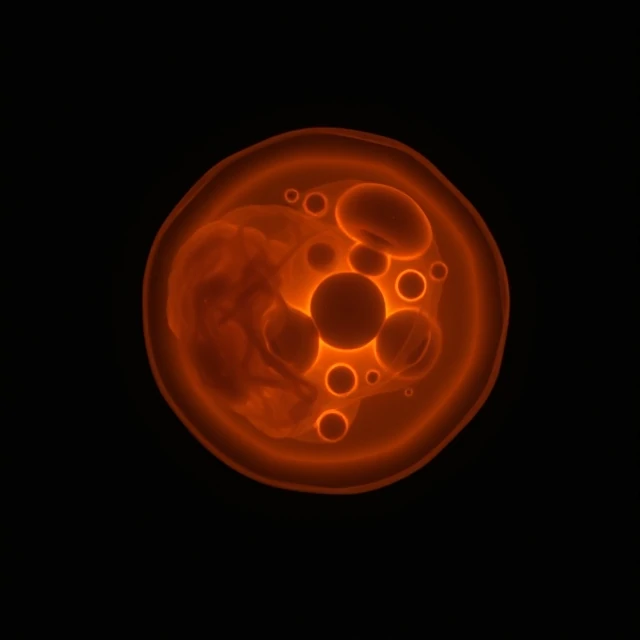
Life as a new individual begins with a single cell. The zygote is the diploid cell formed when a sperm fertilizes an egg. It contains a complete set of chromosomes—half from each parent—and is the starting point for all subsequent development.
Within hours the zygote begins mitotic divisions, producing a ball of cells that will implant in the uterus. Early cleavage is controlled by maternal factors stored in the egg; the embryonic genome activates a little later. The zygote’s genome is a unique combination of parental alleles created by meiosis and random fertilization.
Abnormalities in chromosome number or structure are often visible already at the zygote stage and can lead to developmental arrest. Assisted reproductive technologies manipulate zygotes outside the body and have made early human development accessible to study. Every multicellular organism that reproduces sexually passes through this single-cell stage.
- Diploid cell formed by fusion of gametes
- Contains complete parental chromosome sets
- Begins mitotic divisions shortly after fertilization
- Starting point of embryonic development
Comments
No comments yet. Be the first to share a thought.
Leave a comment