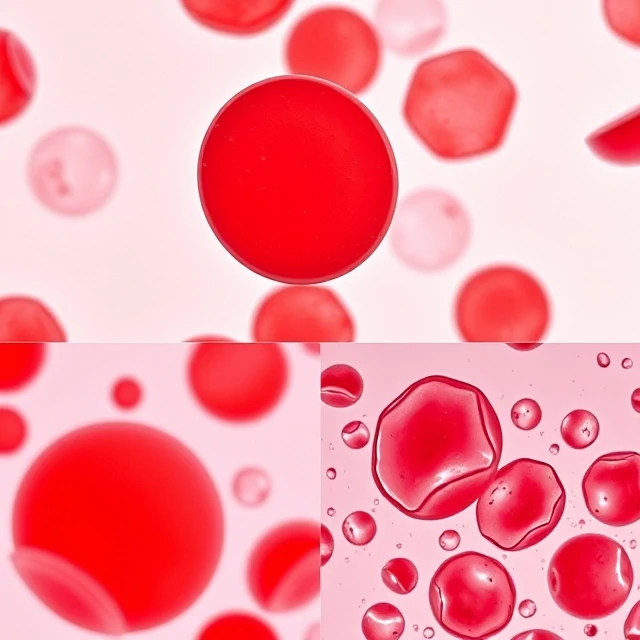
A single nucleotide change in the beta-globin gene produces a misshapen red blood cell. Sickle cell disease is an autosomal recessive disorder in which hemoglobin polymerizes under low oxygen, distorting erythrocytes into rigid sickle shapes that block small vessels and break down prematurely.
Affected individuals experience chronic anemia, painful vaso-occlusive crises, and increased risk of infection and organ damage. Heterozygous carriers have sickle cell trait and are largely healthy; the trait persists in some populations because it confers resistance to malaria.
Diagnosis is made by hemoglobin electrophoresis or genetic testing. Management includes hydroxyurea, blood transfusions, pain control, and, increasingly, curative approaches such as bone-marrow transplantation and gene therapy. Newborn screening allows early intervention that markedly improves outcomes.
- Autosomal recessive hemoglobin disorder
- Caused by a point mutation in beta-globin
- Produces sickle-shaped red blood cells
- Managed with supportive care and emerging gene therapies
Comments
No comments yet. Be the first to share a thought.
Leave a comment