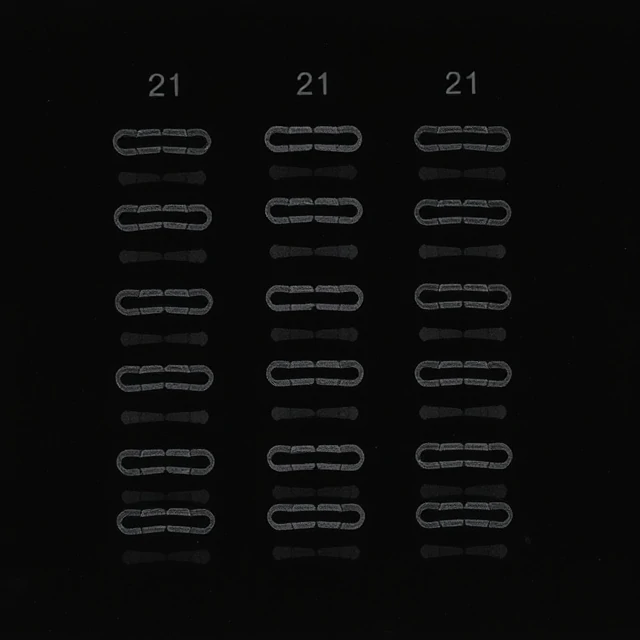
Down syndrome is a genetic condition caused by an extra full or partial copy of chromosome 21. The resulting developmental differences affect intellectual ability, physical features, and health in varying degrees.
Most cases arise from nondisjunction during the formation of the egg or sperm, so that the embryo receives three copies of chromosome 21 instead of the usual two. Advanced maternal age increases the probability. Characteristic physical features include a flattened facial profile, upward-slanting eyes, a single crease across the palm, and reduced muscle tone. Intellectual disability is nearly always present, ranging from mild to moderate in most individuals. Congenital heart defects, hearing and vision problems, and a higher risk of certain medical conditions are common.
Early intervention—speech therapy, physical therapy, educational support—improves outcomes substantially. Many people with Down syndrome attend school, hold jobs, and live semi-independently as adults. Life expectancy has risen dramatically with better medical care. Prenatal screening and diagnostic testing are available, raising ongoing ethical and personal questions for expectant parents.
Down syndrome is a chromosomal reality that shapes development, yet the range of individual achievement remains wide.
Comments
No comments yet. Be the first to share a thought.
Leave a comment