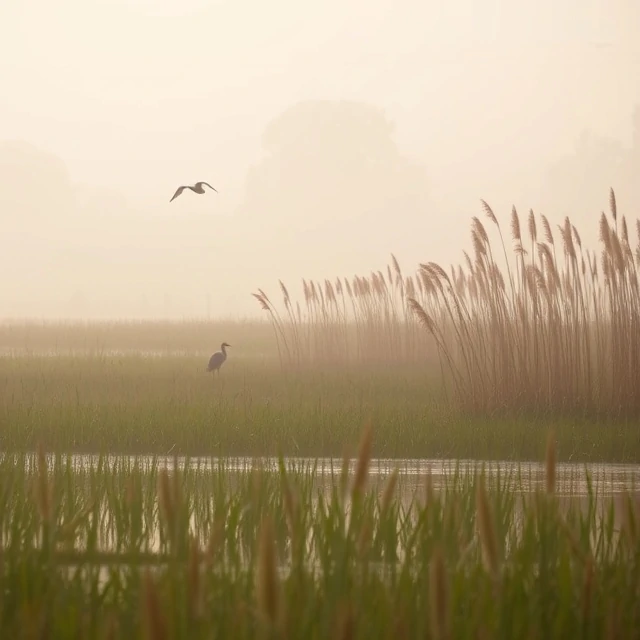
A habitat is the natural environment where an organism lives. It provides food, water, shelter, and space to reproduce. A habitat can be large or small. A rotting log is a habitat for beetles and fungi. A coral reef is a habitat for thousands of species. The scale depends on the organism.
Habitats are shaped by climate, soil, water, and other species. A forest habitat differs from a grassland. A wetland differs from a desert. Each has its own set of conditions that favor certain plants and animals. Species evolve to fit their habitats. When the habitat changes too fast, they cannot adapt.
Habitat loss is the leading cause of biodiversity decline. Clearing forests, draining wetlands, and paving over grasslands destroy the places species need. Fragmentation makes it worse. A patch of forest surrounded by roads and farms cannot support the same wildlife as a continuous forest. Protecting and connecting habitats is the most effective conservation strategy.
Key elements
- Food and water
- Shelter and cover
- Space for breeding
- Climate and soil conditions
- Connectivity to other habitats
Comments
No comments yet. Be the first to share a thought.
Leave a comment