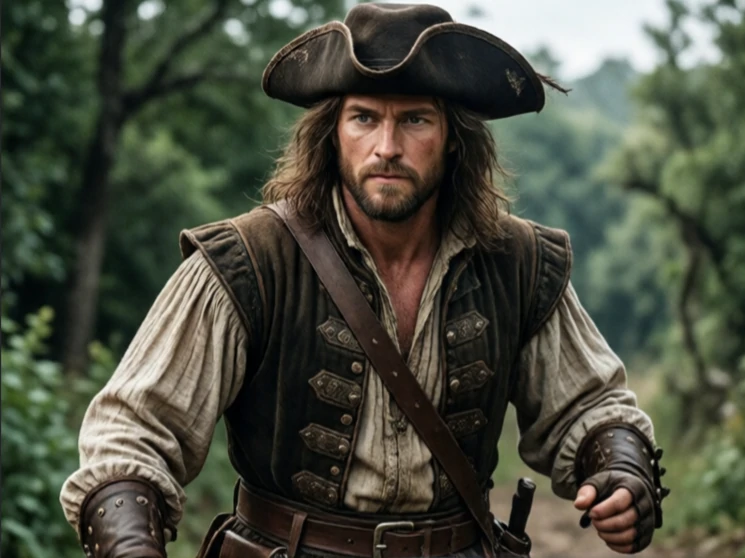
Picaresque fiction follows the episodic adventures of a roguish, low-born hero who lives by their wits in a corrupt society. The narrative is usually first-person and loosely structured.
The form originated in sixteenth-century Spain with works such as Lazarillo de Tormes. The pícaro—the rogue protagonist—moves from master to master, exposing social hypocrisy through a series of encounters rather than through a single unified plot. Later examples include Moll Flanders, Huckleberry Finn, and many modern road and antihero narratives. Humor, satire, and a clear-eyed view of survival at the social margins characterize the mode.
Picaresque structure is open and accumulative; new episodes can always be added. The hero may learn little or may achieve a hard practical wisdom. The form’s enduring appeal lies in its mobility, its social range, and its refusal of sentimental moralizing. It remains a flexible vehicle for observing a society from below.
A narrative of a clever outsider’s episodic progress through a flawed world is picaresque.
Comments
No comments yet. Be the first to share a thought.
Leave a comment