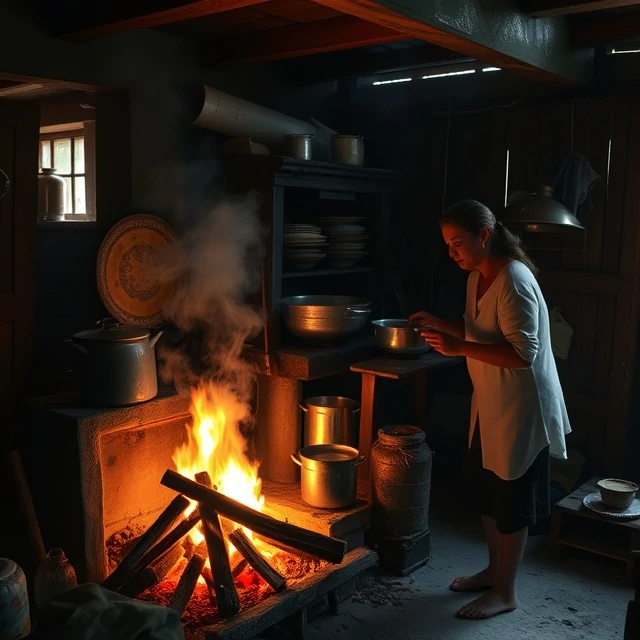
Biomass is organic material used as fuel. It includes wood, crop residues, animal manure, and the organic part of municipal waste. People have burned biomass for heat since prehistory. Today it also generates electricity and produces liquid fuels.
How it is used varies. In rural areas of developing countries, wood and charcoal still cook meals. In industrial countries, biomass powers plants that burn wood pellets or agricultural waste. Some facilities gasify biomass to produce syngas, which can run turbines or make chemicals. Anaerobic digesters capture methane from manure and food waste.
Biomass is renewable if it is regrown. It is carbon-neutral in theory if the plants absorbed the same CO2 that burning releases. The reality is messier. Transport, processing, and land-use change all affect the balance. Burning wood pellets shipped across an ocean may emit more than coal in the short term. Context decides whether biomass helps or hurts.
Common sources
- Wood and wood pellets
- Crop residues
- Animal manure
- Food waste
- Energy crops
Comments
No comments yet. Be the first to share a thought.
Leave a comment