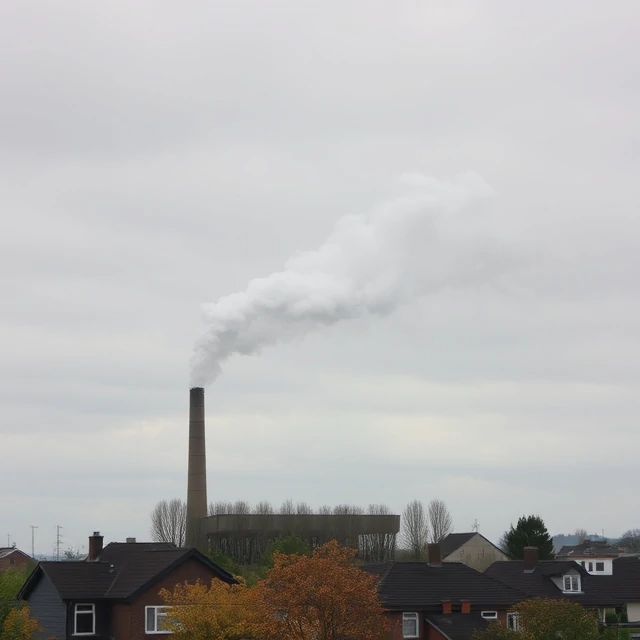
An externality is a cost or benefit that spills over onto someone who did not choose it. A factory that pollutes a river imposes a cost on fishermen downstream. A neighbor who plants a beautiful garden creates a benefit for everyone on the street. The market price does not capture these effects.
Externalities are a classic case of market failure. When a producer does not pay for the pollution, they produce too much. When a producer cannot charge for the garden, they produce too little. The result is an inefficient allocation of resources. Economists call these negative and positive externalities.
Policies try to correct the imbalance. Carbon taxes, cap-and-trade systems, and pollution regulations make polluters pay. Subsidies for education and vaccines encourage activities with positive spillovers. The design is tricky. Set the tax too high, and you stifle useful activity. Too low, and the problem persists.
Examples
- Pollution from factories
- Secondhand smoke
- Education benefits to society
- Vaccination herd immunity
- Loud music at night
Comments
No comments yet. Be the first to share a thought.
Leave a comment