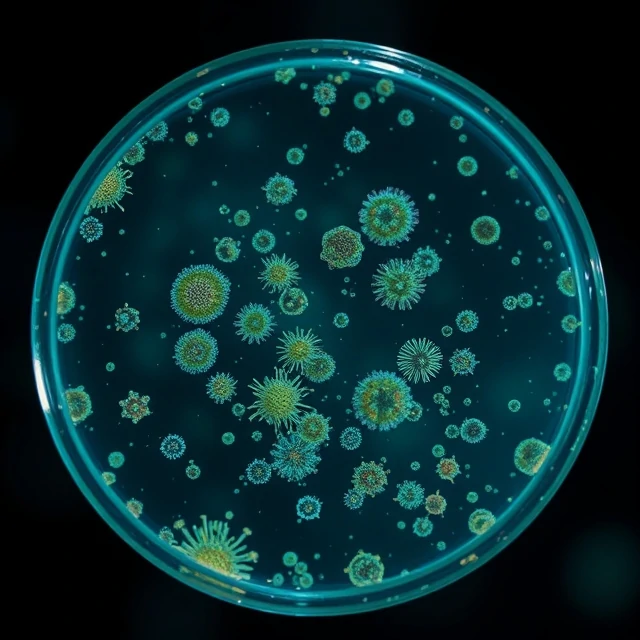
Producers make their own food. They use sunlight, water, and carbon dioxide to create sugars through photosynthesis. Plants, algae, and some bacteria are producers. They form the base of nearly every food web on Earth. Without them, there would be no energy for consumers to eat. Producers are also called autotrophs, meaning self-feeders. They do not need to consume other organisms to survive.
Producers do more than feed ecosystems. They release oxygen as a byproduct of photosynthesis. They absorb carbon dioxide from the atmosphere, which helps regulate the climate. They build soil, hold water, and provide habitat for countless species. Forests, grasslands, and phytoplankton in the ocean are the planet's largest producers. Phytoplankton alone generate roughly half of the oxygen in the atmosphere. Their role is easy to overlook because they are microscopic, but their impact is global. When producers decline, everything that depends on them declines too.
Examples of producers
- Trees and grasses on land.
- Algae and phytoplankton in water.
- Cyanobacteria in soil and water.
- Some chemosynthetic bacteria at deep-sea vents.
Producers are not just the first link in a food chain. They are the foundation that supports the entire structure.
Comments
No comments yet. Be the first to share a thought.
Leave a comment