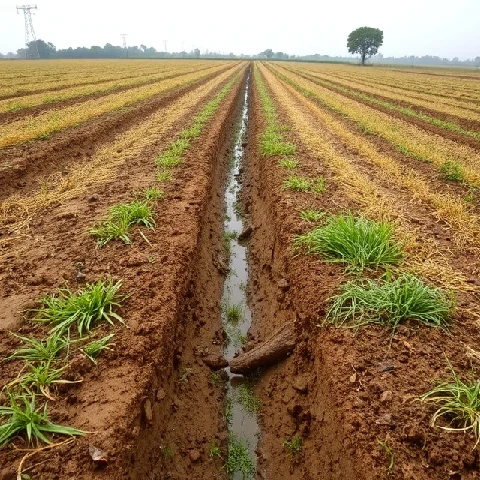
Wind and water wear away rock and soil. That process is erosion, and it shapes landscapes over millions of years. Rivers carve canyons. Waves undercut cliffs. Glaciers grind valleys. Wind strips topsoil from dry fields. Erosion is natural and ongoing, but human activity often speeds it up. Clearing vegetation exposes soil to rain and wind. Overgrazing compacts the ground and kills roots that hold soil in place. Construction sites lose tons of sediment to nearby streams. The result is lost farmland, clogged waterways, and damaged ecosystems.
Soil erosion is the most consequential form for humans. Topsoil forms slowly, often over centuries. When it washes away, fertility goes with it. The Dust Bowl of the 1930s in the American Great Plains was a stark example. Drought, deep plowing, and the removal of native grasses combined to produce massive dust storms that displaced hundreds of thousands of people. In response, the U.S. government created the Soil Conservation Service and promoted practices like contour plowing and windbreaks.
Common causes
- Deforestation and removal of vegetation.
- Overgrazing by livestock.
- Intensive plowing and monoculture farming.
- Construction and road building.
Erosion is not always dramatic. A field can lose a millimeter of soil a year and no one notices until yields drop decades later.
Comments
No comments yet. Be the first to share a thought.
Leave a comment