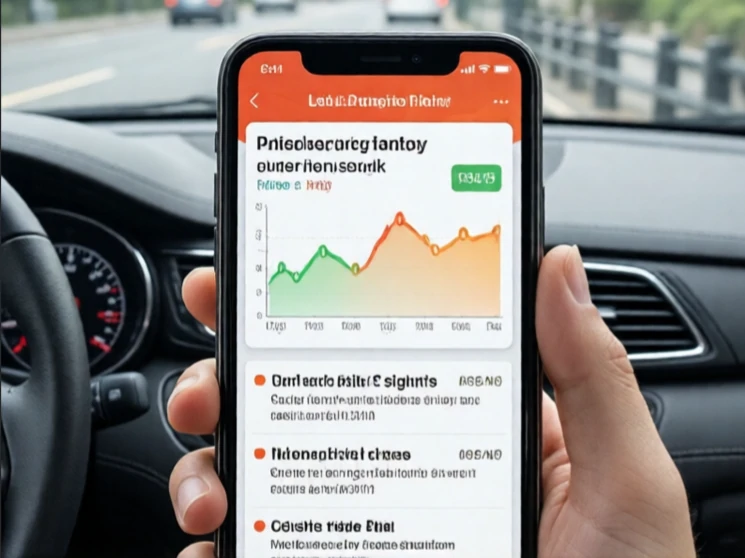
Airline ticket prices change by the hour. A seat that costs $200 today may cost $400 tomorrow, depending on demand, remaining inventory, and how close the departure date is. That is dynamic pricing: adjusting prices in real time based on demand and other market conditions.
The practice has spread far beyond airlines. Hotels, ride-sharing apps, sports teams, and e-commerce platforms all use it. Uber's surge pricing is a well-known example: when demand spikes in a particular area, prices rise to attract more drivers and ration available rides. Amazon changes prices millions of times a day, sometimes using personalized data to adjust what different customers see.
Dynamic pricing can increase revenue and improve efficiency. It can also frustrate customers who feel penalized for buying at the wrong time. The backlash against surge pricing during emergencies has forced some companies to cap prices. The technology makes real-time adjustment possible. The ethics and the customer relationship determine how far it should go.
Comments
No comments yet. Be the first to share a thought.
Leave a comment