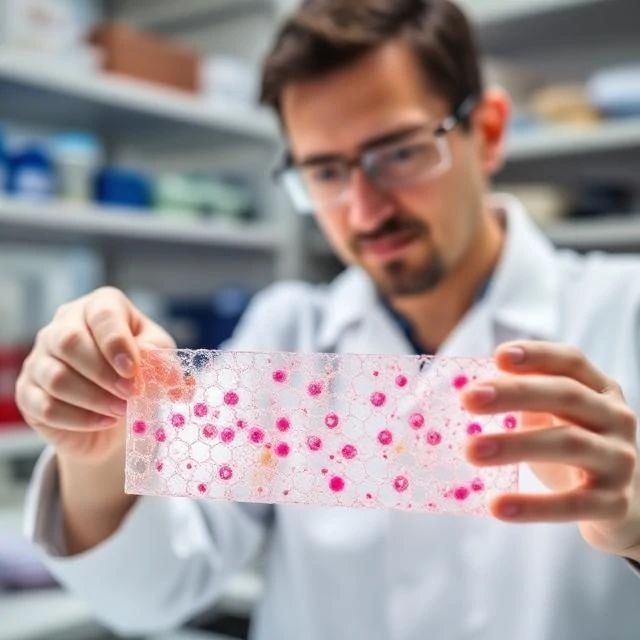
Some animals regrow limbs. Humans do not. Regenerative medicine aims to change that. It seeks to repair, replace, or regenerate damaged cells, tissues, and organs. It combines stem cell biology, tissue engineering, gene therapy, and materials science. The goal is not just to treat disease but to restore function.
The field has several approaches. Cell therapy delivers cells to repair damaged tissue. Stem cell transplants already cure certain blood cancers and immune disorders. Tissue engineering grows replacement tissues on scaffolds in the lab. Gene therapy corrects genetic defects that cause degeneration. Organ bioprinting aims to build functional organs from a patient's own cells.
The challenges are enormous. Cells must survive, integrate, and function in the body. Scaffolds must be biocompatible and degrade at the right rate. The immune system must not reject the transplanted material. And the biology of regeneration is still poorly understood. Some tissues, like skin and liver, regenerate well. Others, like heart muscle and neurons, do not.
Regenerative medicine is not yet routine. Most therapies are experimental or limited. But the field is advancing. Stem cell therapies for macular degeneration, cartilage repair, and heart failure are in clinical trials. The promise is real, even if the timeline is uncertain.
Comments
No comments yet. Be the first to share a thought.
Leave a comment