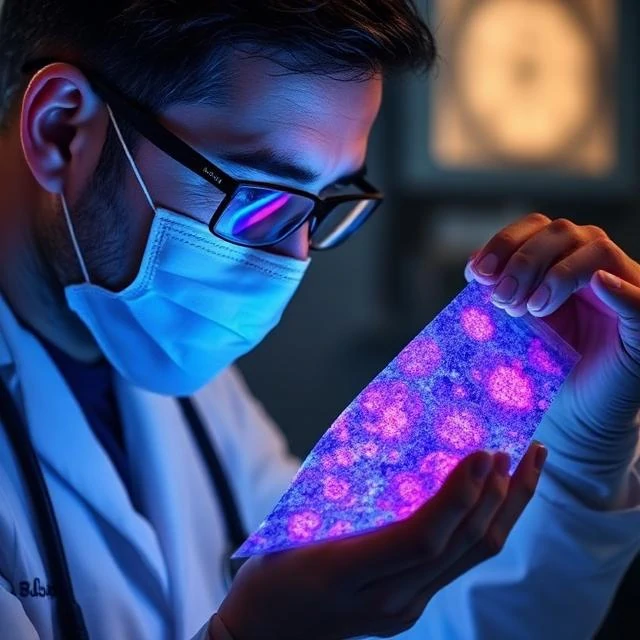
Not every cancer patient responds to every cancer drug. Some tumors have a mutation that makes them vulnerable to a specific therapy. A companion diagnostic is a test that identifies which patients will benefit from which drug. It is the matchmaker of precision medicine. Without it, the drug might be given to patients who will not respond, wasting time and money and exposing them to side effects.
Companion diagnostics are developed alongside the drug. The FDA reviews them together. The test might be a genetic sequencing panel, an immunohistochemistry stain, or a fluorescence in situ hybridization probe. It detects a specific biomarker, like a mutation in the EGFR gene or overexpression of the HER2 protein. The result determines whether the drug is indicated.
Examples are everywhere. Herceptin for HER2-positive breast cancer requires a HER2 test. Keytruda for certain solid tumors requires a test for microsatellite instability or mismatch repair deficiency. Tarceva for lung cancer requires an EGFR mutation test. In each case, the diagnostic and the drug are linked.
Companion diagnostics are not just for cancer. They are used in infectious disease, cardiovascular medicine, and rare genetic disorders. As more targeted therapies are developed, more companion diagnostics will follow. The test is as important as the treatment.
Comments
No comments yet. Be the first to share a thought.
Leave a comment