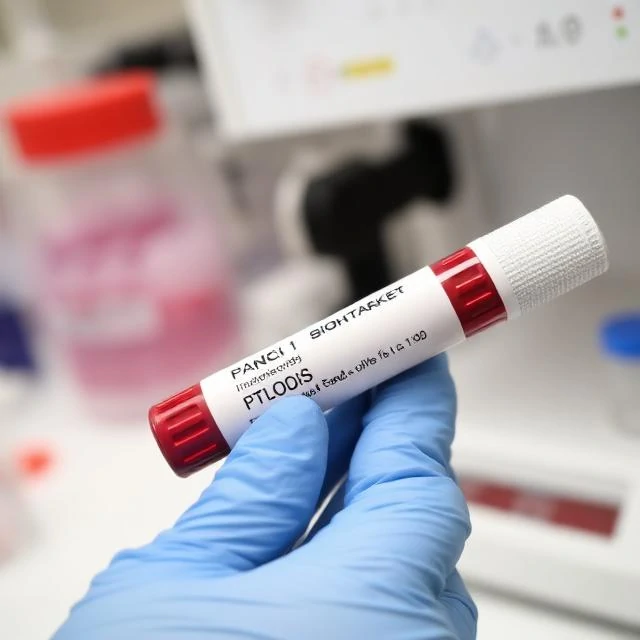
A biomarker is a measurable indicator of a biological state. It can be a protein in the blood, a genetic mutation, a pattern of gene expression, or an image on a scan. Biomarkers tell us whether a disease is present, how it is progressing, or whether a treatment is working. They are the signals we read to understand what is happening inside the body.
Biomarkers serve many purposes. Diagnostic biomarkers identify disease. Prognostic biomarkers predict how a disease will progress. Predictive biomarkers indicate whether a patient will respond to a particular treatment. Pharmacodynamic biomarkers show whether a drug is hitting its target. Each type is useful at a different stage of care.
Finding a good biomarker is hard. It must be measurable, reliable, and clinically meaningful. It must distinguish between people with and without the condition, and it must do so consistently. Many candidate biomarkers fail validation. A marker that works in one study may not work in another, or it may not change clinical decisions.
Biomarkers are central to precision medicine. They guide which patients get which drugs. The breast cancer drug Herceptin is only effective in tumors that overexpress the HER2 protein. Testing for HER2 is a biomarker test. Without it, the drug would be given to patients who would not benefit. Biomarkers make treatment smarter.
Comments (2)
Leave a comment