A mutual fund pools money from many investors and invests it in stocks, bonds, or other securities. Each investor owns shares of the fund, which represent a proportional claim on the underlying assets. A professional manager runs the fund, deciding what to buy and sell. The fund charges an expense ratio, usually 0.1 to 1.5 percent of assets per year, to cover management and operating costs.
Mutual funds come in two main types. Open-end funds issue and redeem shares at net asset value, which is calculated at the end of each trading day. Closed-end funds issue a fixed number of shares that trade on exchanges like stocks. Exchange-traded funds, or ETFs, are similar to mutual funds but trade throughout the day. Index funds track a market index like the S&P 500 with low fees. Actively managed funds try to beat the index and charge more.
Mutual funds offer diversification and professional management. They are easy to buy through retirement accounts and brokerage platforms. They are also regulated by the Securities and Exchange Commission, which requires disclosure of holdings, fees, and risks. The prospectus is a dense document, but it contains the details that matter.
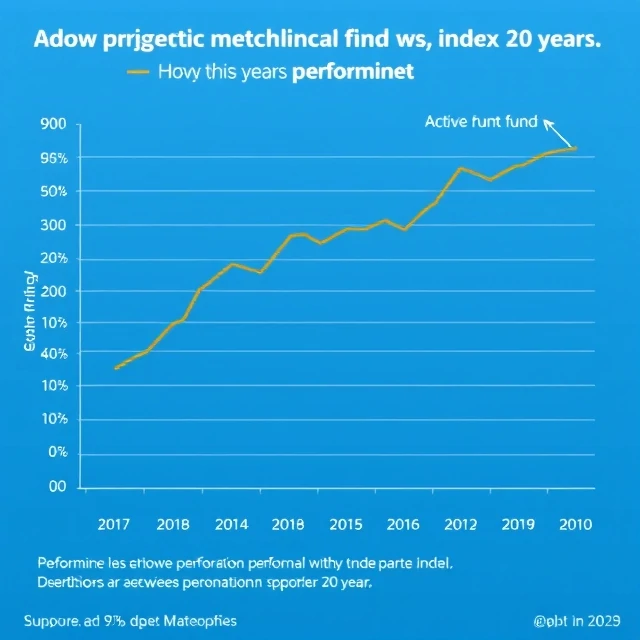
The case against mutual funds is cost. Most active funds underperform their benchmarks after fees. Over 20 years, a 1 percent fee can consume a quarter of your returns. That is why low-cost index funds have attracted trillions of dollars. The fund industry is competitive, and investors have more low-cost options than ever.
Comments
No comments yet. Be the first to share a thought.
Leave a comment