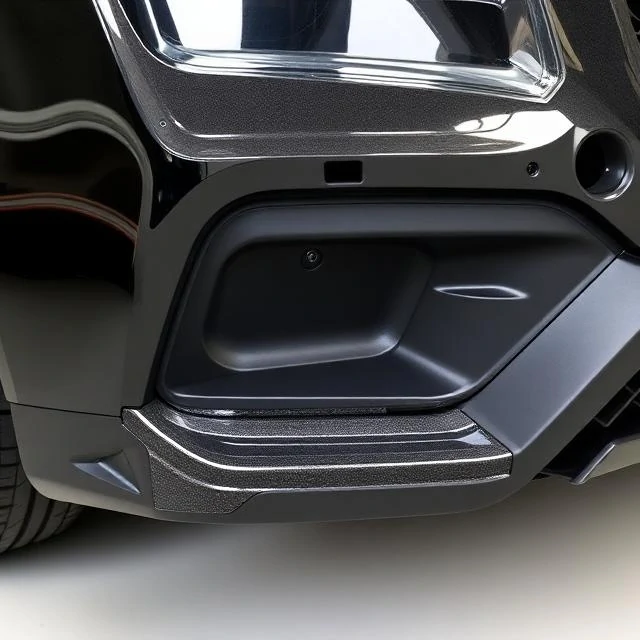
A bumper is a protective bar at the front or rear of a vehicle. It absorbs impact in low-speed collisions and protects the body, lights, and safety systems from damage. Modern bumpers are not the chrome bars of the 1950s. They are complex assemblies of plastic covers, foam energy absorbers, and steel or aluminum reinforcements.
The design is regulated. In the United States, Federal Motor Vehicle Safety Standard 581 requires bumpers to withstand a 2.5 mph impact with no damage to safety systems and a 5 mph impact with no damage to the body. European regulations are similar. The goal is to keep repair costs down and prevent minor collisions from disabling airbags or lights.
Bumpers also affect pedestrian safety. The front bumper is shaped to reduce injury if a pedestrian is struck. Softer materials and lower profiles help. Some cars have active hoods that lift slightly on impact to cushion a pedestrian's head.
Repairing a bumper is common work. A parking lot scrape may only need paint. A harder hit can crack the cover, crush the absorber, or bend the reinforcement. Body shops replace the damaged parts and repaint to match. It is not glamorous, but it keeps cars on the road.
Comments
No comments yet. Be the first to share a thought.
Leave a comment