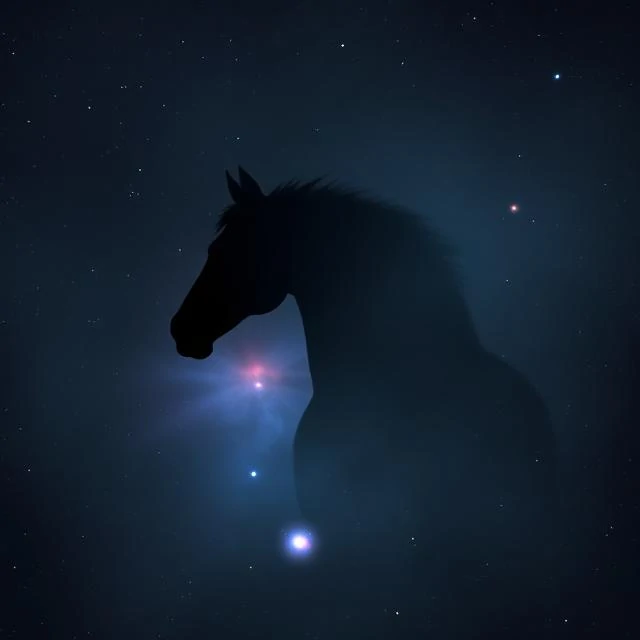
A nebula is a cloud of gas and dust in space. The word comes from the Latin for cloud, and that is what early observers saw: fuzzy patches that were not stars. Some nebulae are the birthplaces of stars. Others are the remains of dead ones. A few are neither, simply clouds of gas illuminated by nearby stars.
There are several types. Emission nebulae glow with their own light, energized by young hot stars embedded within them. The Orion Nebula is the most famous example. Reflection nebulae shine by reflecting starlight, and they appear blue for the same reason the sky does. Dark nebulae are dense clouds that block the light of stars behind them, like the Horsehead Nebula. Planetary nebulae are shells of gas shed by dying stars, and supernova remnants are the debris of exploded ones.
Nebulae are important because they are the raw material of the galaxy. Stars form when dense clumps inside a nebula collapse under gravity. The composition of a nebula determines what kind of stars and planets can form. The heavy elements in your body were forged in stars and recycled through nebulae.
Many nebulae are invisible to the eye but glow brightly in infrared or radio light. Infrared telescopes can peer through the dust to see the stars forming inside.
Comments
No comments yet. Be the first to share a thought.
Leave a comment