In 2006, the International Astronomical Union redefined what it means to be a planet. A planet must orbit the Sun, be massive enough to be round, and have cleared its orbital neighborhood of other debris. Pluto failed the third test. It was reclassified as a dwarf planet, a decision that remains controversial.
A dwarf planet meets the first two criteria but not the third. It is round because its own gravity has pulled it into a sphere, but it shares its orbit with other objects. There are five recognized dwarf planets: Ceres, Pluto, Haumea, Makemake, and Eris. Ceres is in the asteroid belt. The others are in the Kuiper Belt or beyond.
The distinction is not just semantic. It reflects a real difference in how these bodies formed and where they live. Planets grew large enough to dominate their orbits. Dwarf planets did not. They are remnants of the solar system's formation, preserved in cold storage.
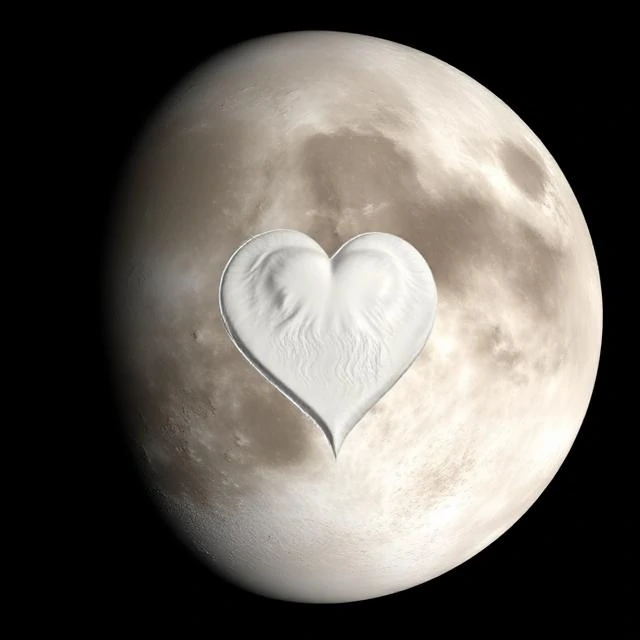
Pluto remains the most famous. NASA's New Horizons flew past it in 2015, revealing mountains of water ice, a nitrogen glacier shaped like a heart, and a thin atmosphere. It is a small world, but not a boring one.
Comments (2)
Leave a comment