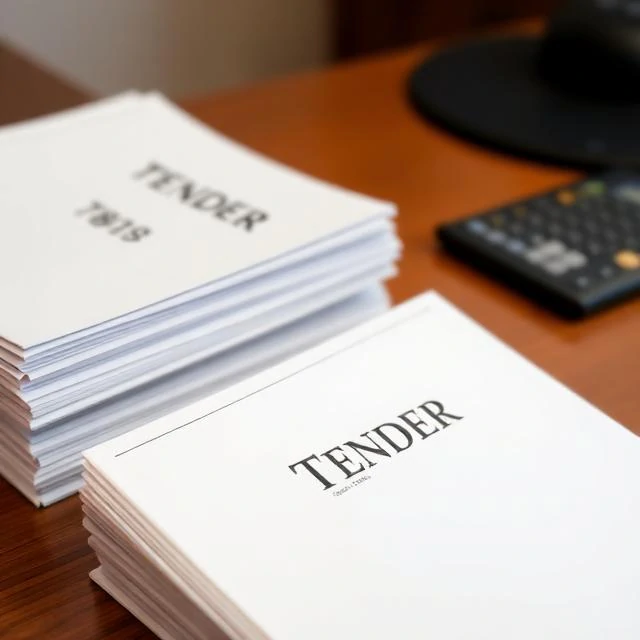
A tender is a formal offer to carry out construction work at a stated price. In a traditional procurement process, the owner or architect prepares a set of documents — drawings, specifications, and often a bill of quantities — and invites contractors to submit tenders. The contractor who offers the best combination of price and qualifications wins the job.
Tendering is a competitive process. It is designed to get the best value for the owner and to ensure fairness. It can be open, where any qualified contractor can bid, or selective, where only invited contractors can bid. It can be single-stage or two-stage, where price and design are negotiated together.
The tender documents must be clear and complete. If they are not, contractors will price in risk, and the owner will pay more. If they are too prescriptive, contractors have no room to propose better solutions. Getting the balance right is a skill.
Tendering is not the only way to hire a contractor. Negotiated contracts, design-build, and construction management at risk are alternatives. Each has advantages depending on the project. But for many public and institutional projects, tendering remains the standard.
Comments
No comments yet. Be the first to share a thought.
Leave a comment