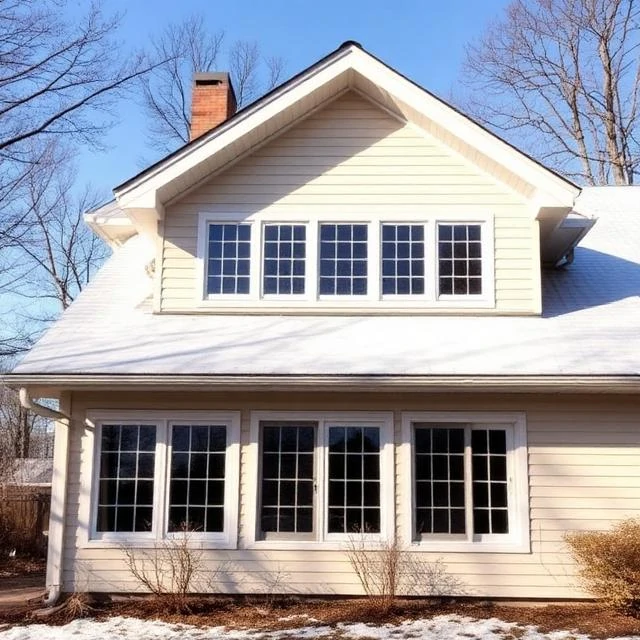
Passive design uses the building itself — its shape, orientation, materials, and openings — to stay comfortable with as little mechanical help as possible. The goal is not to eliminate heating and cooling. It is to reduce the load so that whatever mechanical system remains can be smaller and cheaper to run.
Orientation matters. In the northern hemisphere, south-facing windows collect winter sun. Overhangs block high summer sun while letting low winter sun in. Thermal mass in floors and walls absorbs heat during the day and releases it at night. Cross ventilation uses prevailing breezes to flush warm air out of a building.
Climate determines strategy. In hot dry regions, thick walls, small windows, and courtyards keep interiors cool. In humid tropics, raised floors and deep verandas promote airflow. In cold climates, compact forms and heavy insulation retain heat. A design that works in one climate can fail badly in another.
Passive design is not a style. It is a set of principles that can be applied to any building type. The best passive designs are almost invisible. The building just feels right.
Comments
No comments yet. Be the first to share a thought.
Leave a comment