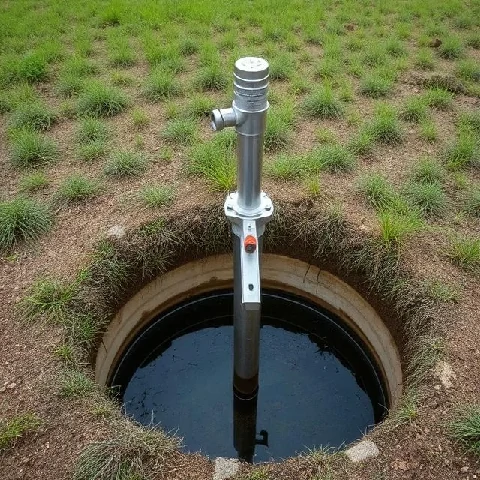
Dig deep enough and the soil stops being dry. The water table marks the upper level where soil and rock are fully saturated with groundwater. It rises after heavy rain and drops during drought. In some places it sits a metre below the surface. In others it lies hundreds of metres down.
Farmers care because roots need oxygen as well as water. A water table that rises too high drowns crops and forces drainage. One that falls too low leaves wells dry and forces deeper drilling. Both conditions have economic consequences.
What affects the water table
- Rainfall and snowmelt recharge
- Pumping for irrigation or drinking water
- Land use and soil permeability
- Proximity to rivers and lakes
Over-pumping is a widespread problem. When extraction exceeds recharge, the water table drops, streams dry up, and land can subside. Managing the balance between use and replenishment is one of agriculture's long-term challenges.
Comments
No comments yet. Be the first to share a thought.
Leave a comment