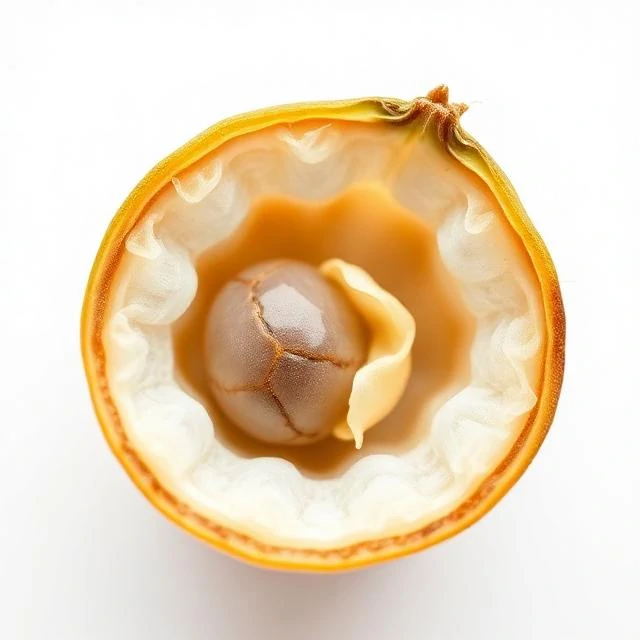
A seed is a fertilized plant ovule, containing an embryo, a food supply, and a protective coat. It is the plant's way of waiting: for the right temperature, the right moisture, the right light. Some seeds germinate in days, others stay dormant for years.
The structure is remarkable. The embryo carries the genetic blueprint and a tiny root and shoot. The endosperm or cotyledons supply energy until the seedling can photosynthesise. The seed coat keeps out water and pathogens until conditions are right. Some seeds have hard coats that need scarification, fire, or a trip through an animal's gut before they will germinate.
What farmers look for
- Germination rate, tested before planting
- Variety purity and absence of weed seeds
- Treatment with fungicide or inoculant
- Size and uniformity for even planting
Seed is one of the most important inputs on any farm. It determines yield potential, disease resistance, and market quality. That is why seed saving, seed banks, and seed certification are so closely watched by growers, breeders, and governments alike.
Comments
No comments yet. Be the first to share a thought.
Leave a comment