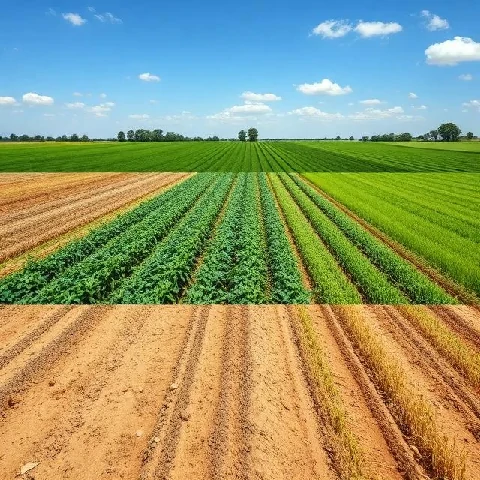
The growing season is the stretch of the year when crops can actually grow. In practice, most farmers define it as the number of frost-free days between the last spring freeze and the first autumn one.
That number varies wildly. Parts of northern Canada and Siberia get fewer than 100 days. Most of Europe and the northern United States sit between 150 and 200. The tropics never stop. Where the season is short, growers choose fast-maturing varieties and start seedlings indoors to buy extra weeks.
What shapes it
- Latitude and elevation: higher ground cools faster
- Proximity to water: lakes and oceans moderate temperature
- Day length: some crops respond to photoperiod, not just warmth
- Local topography: a south-facing slope warms earlier than a hollow
Climate change is stretching the season in many temperate regions, which sounds like good news until you factor in late frosts, new pests, and heat stress at flowering. Growers track growing degree days and hardiness maps to keep up.
Comments
No comments yet. Be the first to share a thought.
Leave a comment