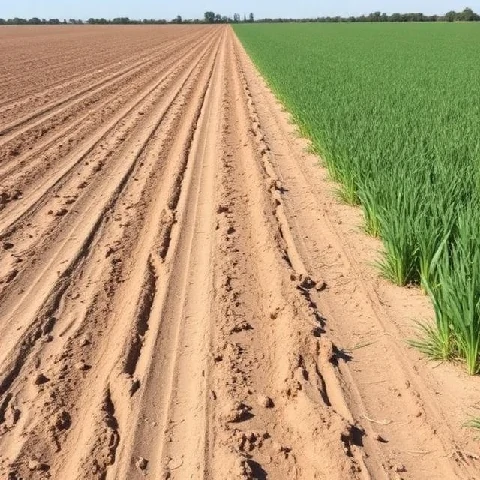
Farmland left unplanted for a season to restore its fertility.
🟫
Fallow describes farmland left unplanted for one or more growing seasons to allow the soil to recover fertility, accumulate moisture, and break pest and disease cycles. The practice is ancient: Roman farmers alternated grain with fallow, and the medieval three-field system left one-third of land fallow each year. Fallow can be bare, where weeds are controlled by tillage or herbicide, or vegetated, where a cover crop is grown and later incorporated. In dryland farming, summer fallow stores winter precipitation for the following crop, though it also leaves soil vulnerable to erosion and reduces total production per hectare. In the European Union, set-aside policies once required farmers to leave land fallow to reduce surpluses and support biodiversity; today, ecological focus areas and agri-environment schemes encourage similar practices. Fallow land provides habitat for wildlife and can be used for grazing or hay. Modern rotations often reduce bare fallow in favour of cover crops and diversified sequences.
Comments
No comments yet. Be the first to share a thought.
Leave a comment