The science of soil management and crop production.
🌾
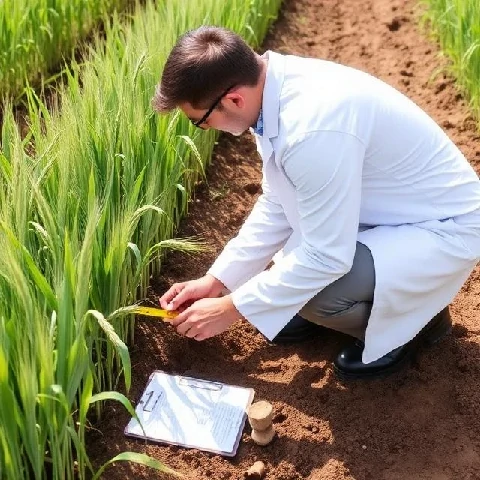
Agronomy is the science and practice of soil management and crop production. It draws on biology, chemistry, physics, ecology, and economics to improve the productivity and sustainability of field crops such as wheat, maize, rice, soybeans, and cotton. The discipline emerged in the 19th century alongside agricultural chemistry, notably through the work of Justus von Liebig on mineral nutrition and the founding of agricultural experiment stations in Europe and North America, including Rothamsted in England in 1843. Agronomists study soil fertility and classification, plant physiology and genetics, crop rotation, irrigation, weed and pest management, and precision farming technologies such as GPS-guided tractors and remote sensing. Core outputs include cultivar recommendations, fertiliser regimes, and integrated management plans tailored to local climates and soils. The American Society of Agronomy, founded in 1907, and the European Society for Agronomy are leading professional bodies. Modern agronomy addresses climate resilience, carbon farming, and reducing the environmental footprint of intensive agriculture while maintaining yields to meet global food demand.
Comments
No comments yet. Be the first to share a thought.
Leave a comment