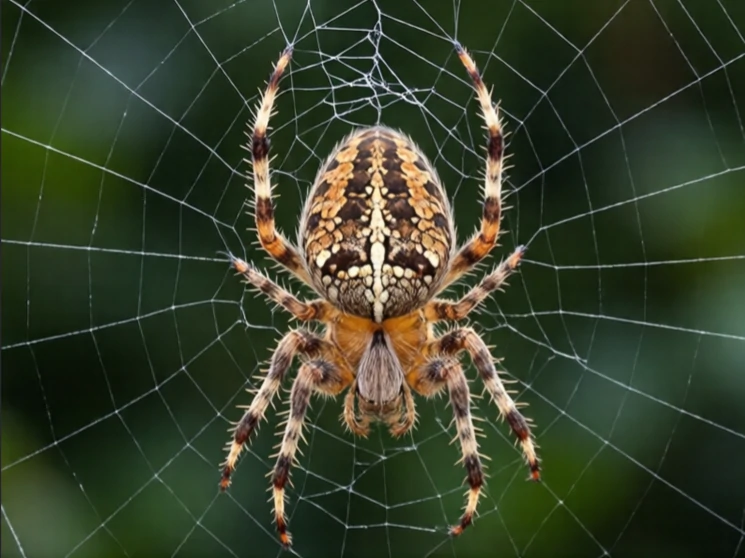
An instinct is a complex, unlearned behavior that is rigidly patterned throughout a species. It appears in complete form without the opportunity for practice or imitation.
Classic examples include the nest-building of certain birds, the web-spinning of spiders, and the migration routes of some animals. These behaviors are highly stereotyped, triggered by specific sign stimuli, and relatively resistant to modification by experience. Early instinct theory in psychology attempted to explain human behavior with long lists of instincts, a project that eventually collapsed under the weight of vague definitions and circular explanations.
Modern behavioral biology retains the concept of instinctive behavior while embedding it in evolutionary and developmental analysis. Many behaviors once labeled pure instincts are now understood to involve interaction between genetic predisposition and environmental input. Human behavior shows few if any rigid instincts of the classical type; instead, prepared learning and universal motives appear within a wide range of cultural expression.
When a behavior emerges fully formed and species-typical without prior learning, the term instinct still applies.
Comments (2)
Leave a comment