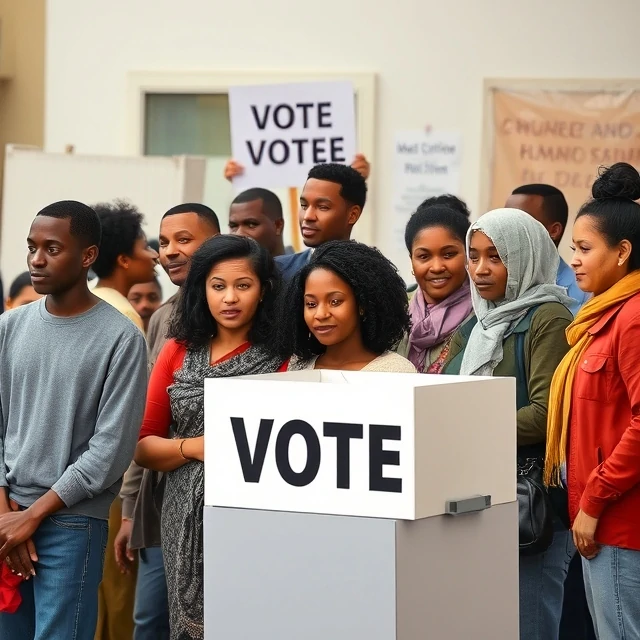
Every person is born with a claim that no government, culture, or majority may cancel. Human rights rest on that simple insistence. They are not gifts granted by the powerful; they are limits on what the powerful may do.
The modern list took shape after the Second World War, when the Universal Declaration of Human Rights gathered decades of earlier struggles into a single document. Life, liberty, security of person, freedom from slavery and torture, equality before the law, freedom of thought and belief—these became the baseline. Later treaties added rights to education, work, health, and participation in cultural life. The language is universal in ambition, yet the enforcement remains uneven and often dependent on political will.
Critics point out that rights can collide. Free speech may wound dignity; religious liberty may clash with equality for women or sexual minorities. Others argue that the Western origin of the modern framework makes it less persuasive in societies that prioritize collective harmony or religious duty. Still, the core idea has proved resilient: certain wrongs are wrong no matter who suffers them and no matter what local custom says.
- Civil and political rights protect the individual against the state.
- Economic and social rights require positive provision by the state.
- Collective rights, such as self-determination, address groups rather than individuals alone.
When courts or activists invoke human rights, they are appealing to a standard that claims to stand above any particular regime or tradition.
Comments
No comments yet. Be the first to share a thought.
Leave a comment