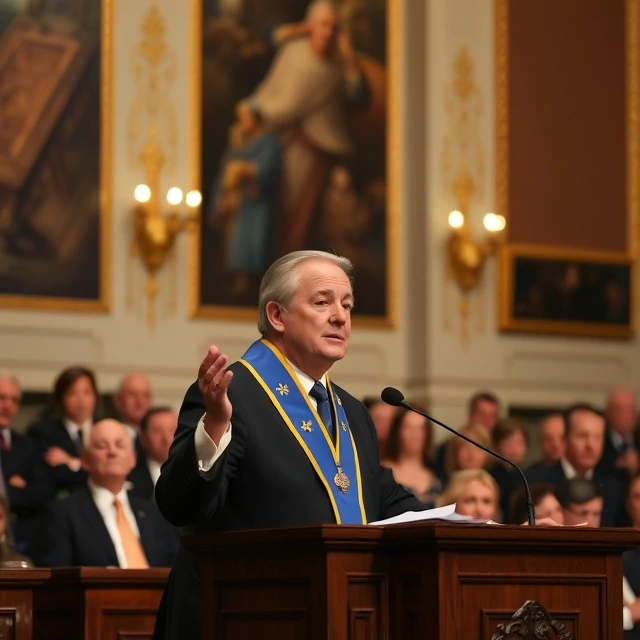
In federal or devolved systems, the elected chief executive of a state or province is often called the governor. The office combines administrative leadership with political representation of the subnational unit.
Governors typically propose budgets, appoint agency heads, sign or veto legislation, and command the state national guard or equivalent forces. Their powers vary considerably across constitutions. Some governors face strong legislatures and independent executives; others dominate their political systems. Term limits and election cycles differ by jurisdiction.
Governors serve as laboratories of policy innovation and as potential national candidates. Crises—natural disasters, pandemics, fiscal shocks—test their capacity and visibility. Relations with the national government involve both cooperation and conflict over funding, regulation, and jurisdiction. The office remains one of the most consequential in the domestic politics of federal countries.
A governor’s signature can enact or block laws affecting millions of residents.
Comments
No comments yet. Be the first to share a thought.
Leave a comment