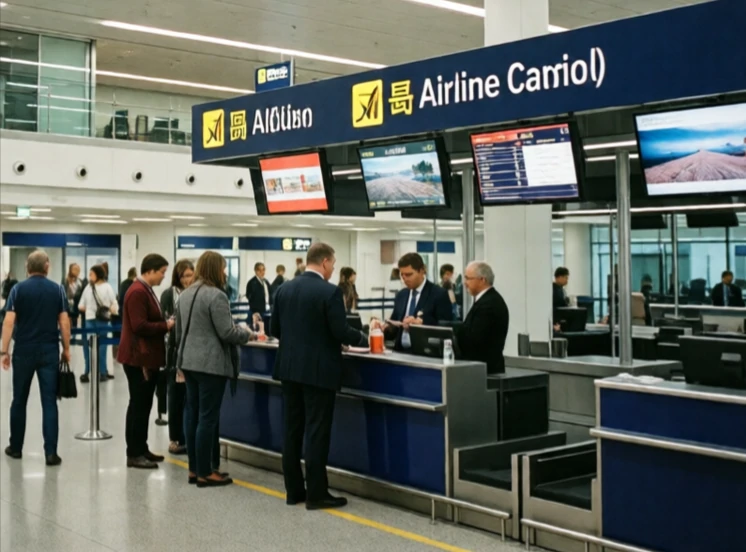
A company schedules aircraft, sells seats, and moves passengers between cities and continents. That company is an airline. It operates within a dense web of safety rules, airport slots, and commercial competition.
Full-service carriers usually include checked baggage, meals, and seat selection in the ticket price. Low-cost airlines unbundle those extras and compete mainly on base fare. Fleet decisions, route networks, and labor agreements shape an airline's costs and reliability. Punctuality and baggage handling strongly influence passenger loyalty.
Airlines also manage frequent-flyer programs, codeshares, and alliances that extend their reach. Fuel prices, regulation, and economic cycles create constant pressure on margins. For most long-distance travelers the airline is the first and last major service provider of the journey.
- Company providing scheduled air transport for passengers
- Ranges from full-service to low-cost models
- Competes on price, network, and reliability
- Subject to strict safety and operational regulation
Comments
No comments yet. Be the first to share a thought.
Leave a comment