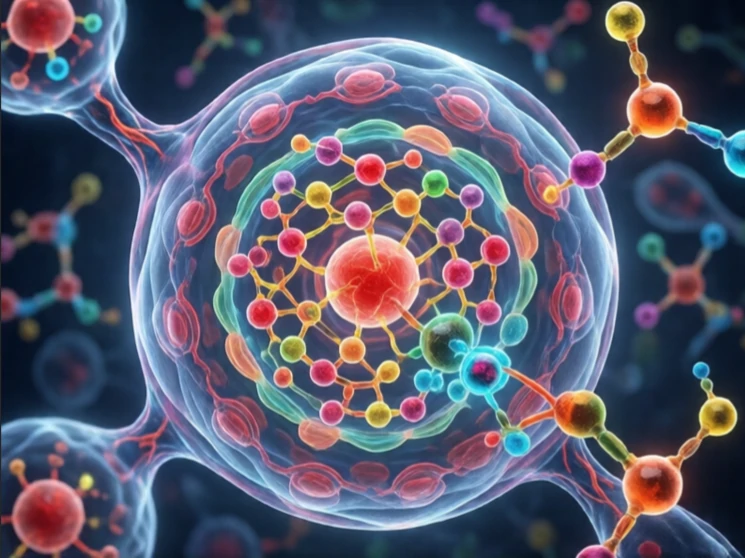
A hormone is a chemical messenger secreted by an endocrine gland into the bloodstream. It travels to target cells that possess the appropriate receptors and alters their activity.
Hormones regulate growth, metabolism, reproduction, stress responses, and mood. Some act within minutes; others influence processes that unfold over days or years. Steroid hormones, derived from cholesterol, pass through cell membranes and bind to intracellular receptors; peptide hormones bind to receptors on the cell surface and trigger second-messenger cascades. The same hormone can have different effects in different tissues depending on the receptors present.
Hormone levels are controlled by feedback loops and by neural input from the brain. Psychological states influence endocrine activity, and hormones in turn influence brain function and behavior—creating continuous reciprocity between the nervous and endocrine systems. Disorders of hormone production or reception produce wide-ranging physical and psychological symptoms.
When a chemical signal needs to reach many targets over a sustained period, a hormone is the body’s chosen messenger.
Comments
No comments yet. Be the first to share a thought.
Leave a comment