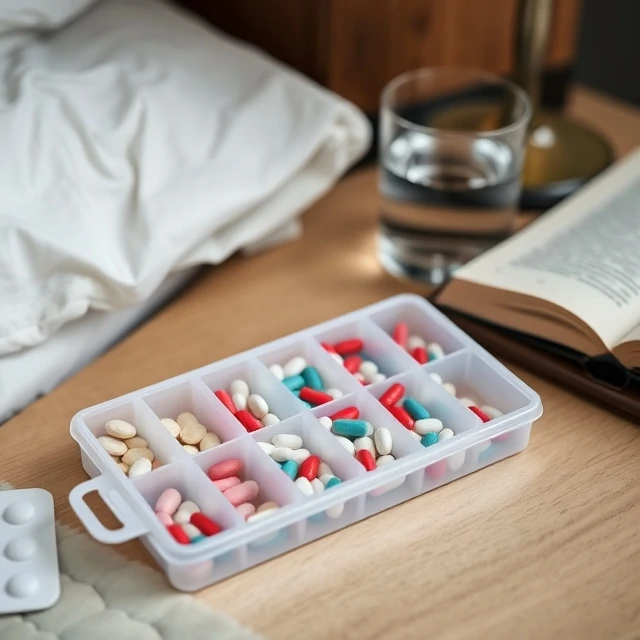
Depression is not a single thing, and no antidepressant works for everyone. The drugs available today mostly act on serotonin, norepinephrine, and dopamine, the neurotransmitters that carry signals between neurons. They do not cure depression in the way an antibiotic cures an infection. They reduce symptoms enough for therapy, lifestyle change, and time to do their work.
SSRIs, the most prescribed class, block the reuptake of serotonin, leaving more of it in the synapse. Examples include sertraline and fluoxetine. They take two to six weeks to reach full effect, and the first few weeks can bring side effects like nausea, insomnia, or anxiety before benefits appear. SNRIs add norepinephrine. Older classes like tricyclics and MAOIs are effective but carry more interactions and side effects, so they usually come later in treatment.
What patients should know:
- Time. Full benefit often takes a month or more.
- Side effects. Many fade after a week or two; some persist.
- Stopping. Abrupt discontinuation can cause withdrawal symptoms. Taper under medical guidance.
- Suicide risk. In some patients, especially younger ones, early treatment can increase suicidal thoughts. Close monitoring matters.
Antidepressants are also used for anxiety disorders, chronic pain, and OCD, often at different doses than for depression.
Comments
No comments yet. Be the first to share a thought.
Leave a comment