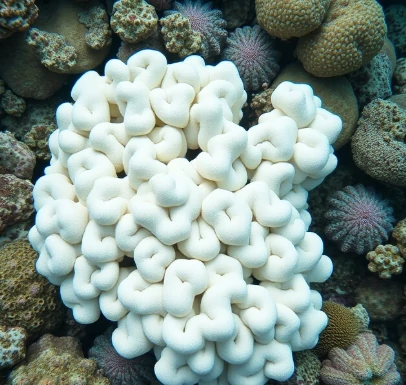
When seawater temperatures rise only one or two degrees above normal summer levels for several weeks, many corals expel the colorful algae living in their tissues. The coral turns stark white—a phenomenon known as bleaching. Without their symbiotic partners the corals lose a major energy source and become more susceptible to disease and starvation.
Bleaching is a stress response, not an immediate death sentence. If temperatures moderate quickly, corals can regain algae and recover. Prolonged or repeated bleaching, however, often kills the colony. Mass bleaching events have increased in frequency and geographic extent as global temperatures rise, affecting reefs from the Caribbean to the Great Barrier Reef and the central Pacific.
Local stressors such as pollution and overfishing can lower the threshold for bleaching. Managers monitor sea-temperature forecasts to anticipate events and sometimes attempt interventions such as shading or assisted evolution, though large-scale protection ultimately depends on reducing greenhouse-gas emissions.
A once-vibrant reef can turn into a white skeleton landscape within a single warm season.
Comments
No comments yet. Be the first to share a thought.
Leave a comment