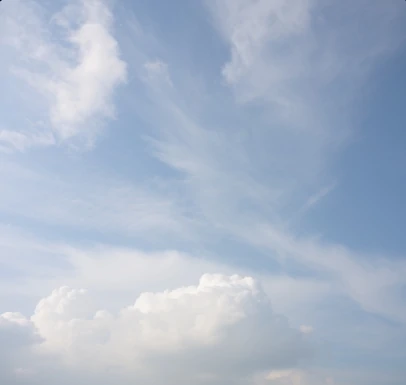
Water vapor becomes visible when it condenses into tiny droplets or freezes into ice crystals. The resulting collection floating in the air is a cloud. Clouds form when air cools to its dew point, usually by rising and expanding.
They range from thin high cirrus to deep towering cumulonimbus. Their appearance depends on temperature, moisture, and the strength of vertical motion. Low clouds often look gray and heavy; high clouds appear white and delicate because they consist of ice.
Clouds both reflect sunlight and trap heat, so their net effect on climate is complex. They also produce the precipitation that supplies freshwater. Classification by height and form remains a basic skill for weather observers and satellite analysts.
Every cloud type carries clues about the atmospheric processes at work.
Comments
No comments yet. Be the first to share a thought.
Leave a comment