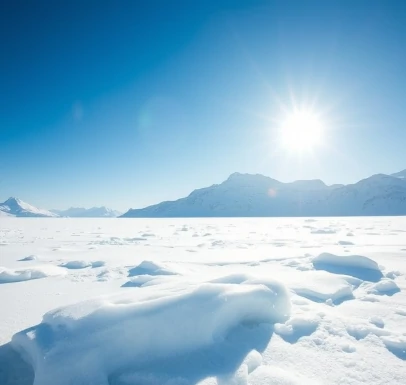
Sunlight strikes Earth and some of it bounces straight back to space. The fraction that reflects is called albedo. Fresh snow can reflect 80 percent or more; dark ocean water reflects only a few percent.
Surfaces with high albedo stay cooler because they absorb less energy. Low-albedo surfaces warm more readily. Clouds, ice sheets, and deserts all influence the planet’s energy budget through their reflective properties.
Climate models track albedo carefully. A shrinking ice cover lowers planetary albedo and allows more absorption of solar energy, which can amplify warming. Local albedo also affects urban heat islands and agricultural microclimates.
- Measures reflected solar radiation fraction
- High for snow and ice, low for water and forests
- Influences surface temperature
- Changes with land cover and climate
Comments
No comments yet. Be the first to share a thought.
Leave a comment