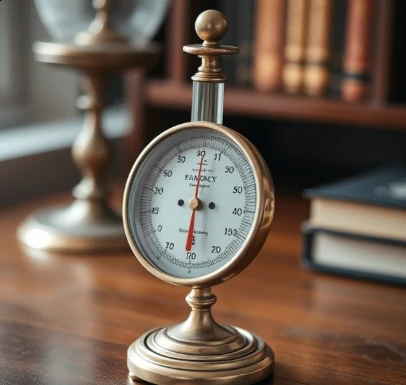
Every column of air pressing down on the surface exerts force. That force is air pressure, measured in millibars or inches of mercury. At sea level the average sits near 1013 millibars, but the value changes constantly with weather systems.
High pressure usually means sinking air and clearer skies. Low pressure allows air to rise, cool, and form clouds. The difference between neighboring pressure centers drives wind. Steep gradients produce strong winds; gentle gradients produce light breezes.
Barometers record these changes. Pilots and mountaineers watch pressure closely because it also drops with altitude. A rapid fall often signals approaching storms.
Understanding pressure patterns lets forecasters anticipate both calm periods and severe weather days ahead.
Comments
No comments yet. Be the first to share a thought.
Leave a comment