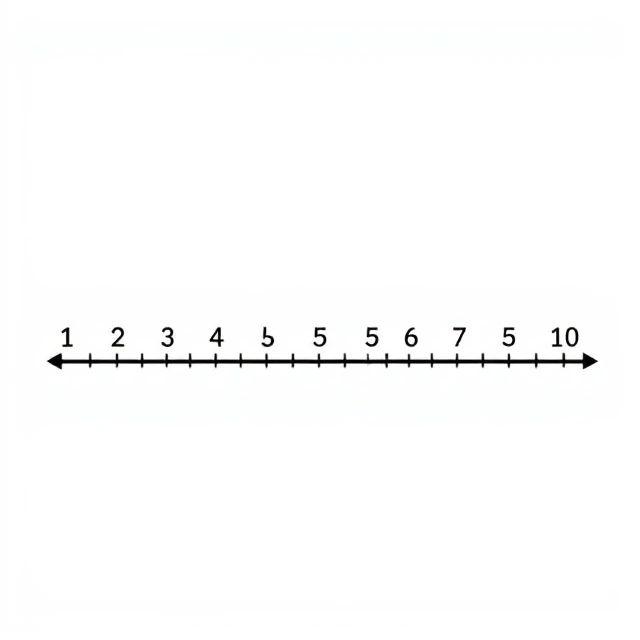
An arithmetic progression is a list of numbers where you add the same amount each step. Start at 2 and add 3 repeatedly: 2, 5, 8, 11, 14. The fixed amount is the common difference. The sequence can also go backward if the difference is negative.
The general term is a + (n − 1)d, where a is the first term, d is the common difference, and n is the position. The sum of the first n terms is n/2 times (first term + last term). That formula lets you add a long progression without adding each term individually.
Arithmetic progressions show up in simple interest, seating rows in an auditorium, and the spacing of frets on a guitar (approximately). They are among the first sequences students meet because the pattern is easy to see and the formulas are straightforward. They also serve as a building block for more complex series and for understanding linear growth.
- Each term differs by a constant
- General term: a + (n − 1)d
- Sum formula: n/2 × (first + last)
- Models linear growth and simple patterns
Comments
No comments yet. Be the first to share a thought.
Leave a comment