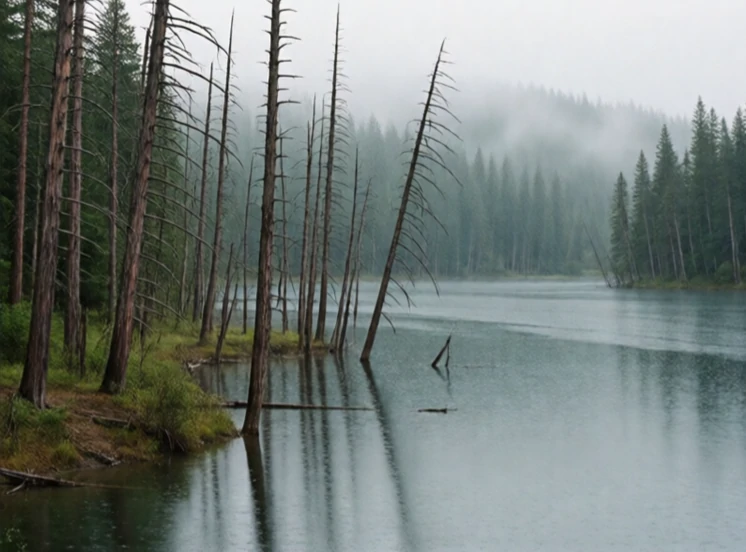
Acid rain forms when sulfur dioxide and nitrogen oxides react with water vapor in the atmosphere. The resulting sulfuric and nitric acids fall as rain, snow, fog, or dry particles. Power plants burning coal and vehicles burning gasoline are the main sources. The problem peaked in the 1970s and 1980s, when lakes in Scandinavia and the northeastern United States turned sterile.
The damage is slow and cumulative. Acidic water leaches aluminum from soil, which clogs fish gills. It strips nutrients from leaves and weakens trees. It eats into limestone buildings and marble statues. A lake may look clear and healthy while its food web collapses underneath.
Regulation worked. The 1990 US Clean Air Act Amendments cut sulfur dioxide emissions by more than half through a cap-and-trade system. Similar programs in Europe reduced emissions sharply. Lakes have recovered in many regions, though full restoration takes decades. The lesson is that long-range pollution can be solved when governments coordinate.
Main pollutants
- Sulfur dioxide from coal plants
- Nitrogen oxides from vehicles
- Ammonia from agriculture
- Volcanic emissions
- Industrial smelting
Comments
No comments yet. Be the first to share a thought.
Leave a comment