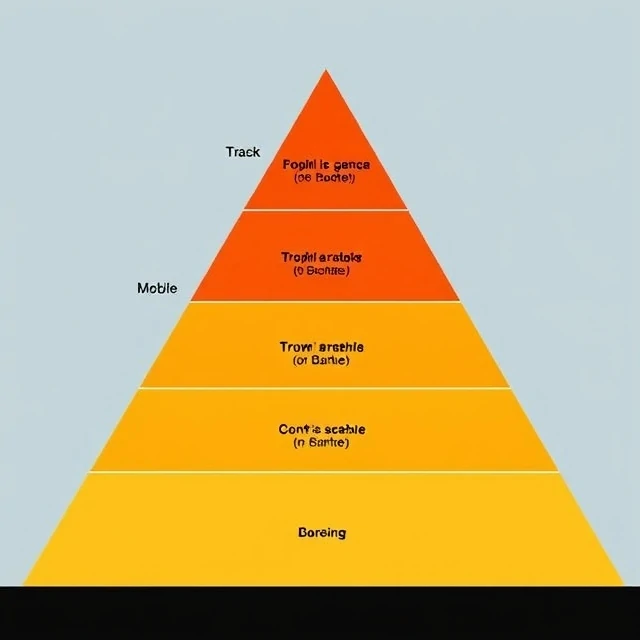
Grass grows. A rabbit eats the grass. A fox eats the rabbit. A tick drinks the fox's blood. Each step in that chain is a trophic level, a position defined by where an organism gets its energy.
Plants and algae occupy the first trophic level. They are producers, capturing sunlight through photosynthesis. Herbivores sit at the second level. Carnivores that eat herbivores occupy the third. Top predators sit at the fourth or fifth. Decomposers work across all levels, breaking down dead matter and returning nutrients to the soil.
Energy transfer between levels
- Only about 10 percent of energy passes from one level to the next
- Most energy is lost as heat through respiration
- Food chains rarely exceed five levels for this reason
- Biomass pyramids show the same pattern
The 10 percent rule explains why apex predators are rare. It takes a lot of grass to make one fox. It also explains why eating lower on the food chain is more efficient. A field of grain feeds far more people than the beef raised on the same land. Trophic levels are not just an ecological concept. They shape what is possible in agriculture, fisheries, and food policy.
Comments
No comments yet. Be the first to share a thought.
Leave a comment