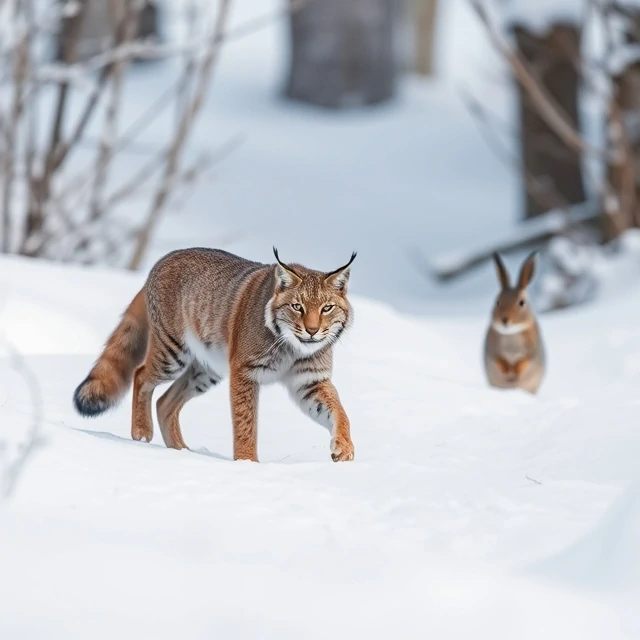
Populations change. They grow, shrink, and shift with seasons and years. Population dynamics is the study of how and why. It examines births, deaths, immigration, and emigration. It looks at how populations respond to food, predators, disease, and weather. Some populations cycle regularly. Lemmings boom and crash every few years. Snowshoe hares and lynx follow a ten-year cycle. Others grow steadily until they hit a limit, then stabilize or collapse.
Two main patterns describe growth. Exponential growth happens when resources are unlimited, producing a J-shaped curve. Logistic growth happens when resources run short, producing an S-shaped curve that levels off at carrying capacity. Real populations often overshoot and decline. The reintroduction of wolves to Yellowstone changed elk population dynamics. Deer populations in suburbs grow until food or disease limits them. Understanding these patterns helps managers decide when to intervene, whether to cull, protect, or leave alone.
What drives population change
- Birth and death rates.
- Immigration and emigration.
- Food, water, and habitat availability.
- Predators, disease, and competition.
Populations are not isolated. They interact with other species and with the environment. Change one factor and the effects ripple through the system.
Comments
No comments yet. Be the first to share a thought.
Leave a comment