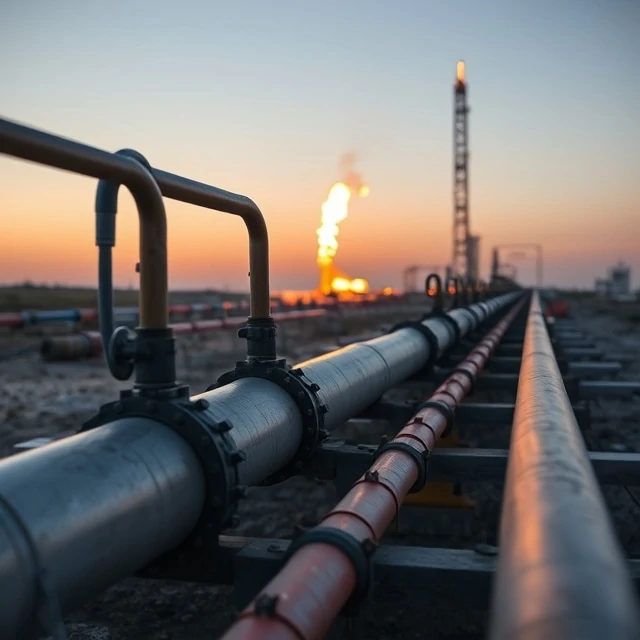
Carbon dioxide, methane, nitrous oxide, and water vapor all share a property: they absorb infrared radiation. That makes them greenhouse gases. When sunlight hits Earth's surface, some of it is absorbed and re-emitted as heat. Greenhouse gases in the atmosphere trap that heat and re-radiate it in all directions, warming the planet. The effect is essential for life. Without it, Earth would be about 33 degrees Celsius colder.
Human activity has increased the concentration of these gases. Carbon dioxide is the biggest contributor to warming because we emit so much of it. Methane is more potent per molecule but breaks down faster in the atmosphere. Nitrous oxide persists for over a century and also damages the ozone layer. Fluorinated gases are released in small quantities but trap thousands of times more heat than carbon dioxide. Each gas has a different warming potential and atmospheric lifetime, which is why scientists convert them all into carbon dioxide equivalent for comparison.
Major greenhouse gases
- Carbon dioxide: fossil fuels, deforestation.
- Methane: livestock, rice paddies, gas leaks.
- Nitrous oxide: fertilizers, industrial processes.
- Fluorinated gases: refrigerants and aerosols.
Reducing emissions means targeting all of them, not just carbon dioxide. Methane cuts, in particular, can slow warming quickly because methane leaves the atmosphere within decades.
Comments
No comments yet. Be the first to share a thought.
Leave a comment