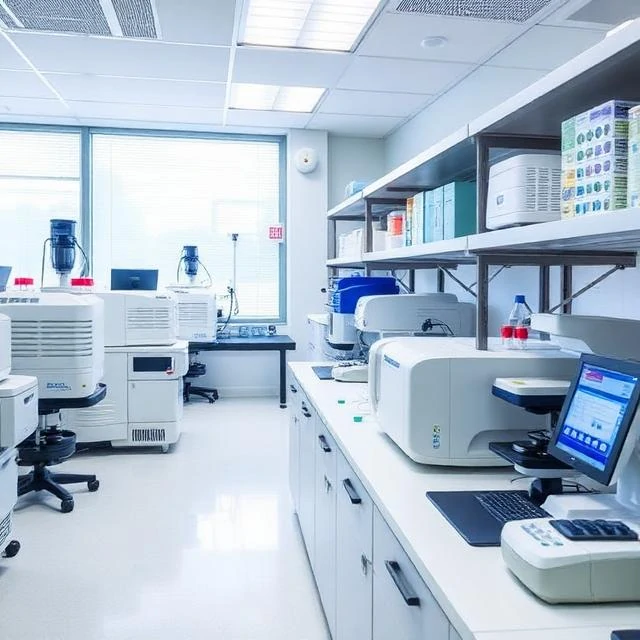
A molecular diagnostic test detects DNA, RNA, or proteins to identify disease. It looks at the molecules that cause or signal illness, rather than the symptoms. It can detect a virus before symptoms appear, identify a genetic mutation that predicts drug response, or measure the level of a cancer marker in blood. Molecular diagnostics is precise, sensitive, and increasingly fast.
The technologies are diverse. Polymerase chain reaction amplifies DNA to detectable levels, enabling diagnosis of infections like COVID-19 and tuberculosis. Next-generation sequencing reads entire genomes or targeted panels, identifying mutations and variants. Immunoassays detect proteins and antibodies, like in HIV tests. Fluorescence in situ hybridization visualizes specific DNA sequences in cells. Each has its strengths and limitations.
Molecular diagnostics has changed medicine. It allows treatment to be tailored to the individual. It enables early detection of cancer, when treatment is most effective. It tracks infectious disease outbreaks in real time. It guides the use of expensive drugs, ensuring they are given to patients who will respond. It is the foundation of personalized medicine.
The field is growing rapidly. Point-of-care molecular tests bring diagnostics to clinics and homes. Liquid biopsies detect cancer from a blood draw. CRISPR-based diagnostics offer rapid, low-cost testing. The challenge is ensuring accuracy, access, and affordability.
Comments
No comments yet. Be the first to share a thought.
Leave a comment