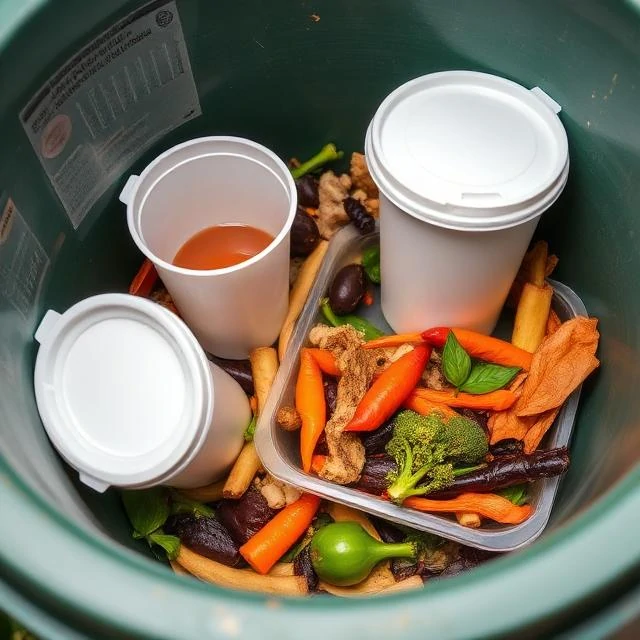
Plastic from corn. Plastic from algae. Plastic from bacteria. Bioplastics are plastics derived from renewable biological sources rather than petroleum. They promise to reduce dependence on fossil fuels and, in some cases, to biodegrade after use. The reality is more nuanced. Not all bioplastics are biodegradable, and not all biodegradable plastics are biobased.
The most common bioplastic is polylactic acid, or PLA, made from fermented plant starch. It is used in compostable cups, food containers, and 3D printing filament. It is biodegradable, but only in industrial composting conditions. In a landfill, it persists. Polyhydroxyalkanoates, or PHAs, are produced by bacteria and biodegrade in soil and water. They are more expensive and less common. Bio-polyethylene is chemically identical to conventional polyethylene but made from sugarcane. It is not biodegradable, but it has a lower carbon footprint.
Bioplastics face challenges. They cost more than conventional plastics. They compete with food crops for land. They can contaminate recycling streams because they look like conventional plastics but behave differently. The infrastructure for composting is limited. And the label bioplastic can mislead consumers into thinking a product will disappear in their backyard.
Bioplastics are not a solution to plastic pollution. They are one option, and their benefits depend on how they are made, used, and disposed of.
Comments
No comments yet. Be the first to share a thought.
Leave a comment