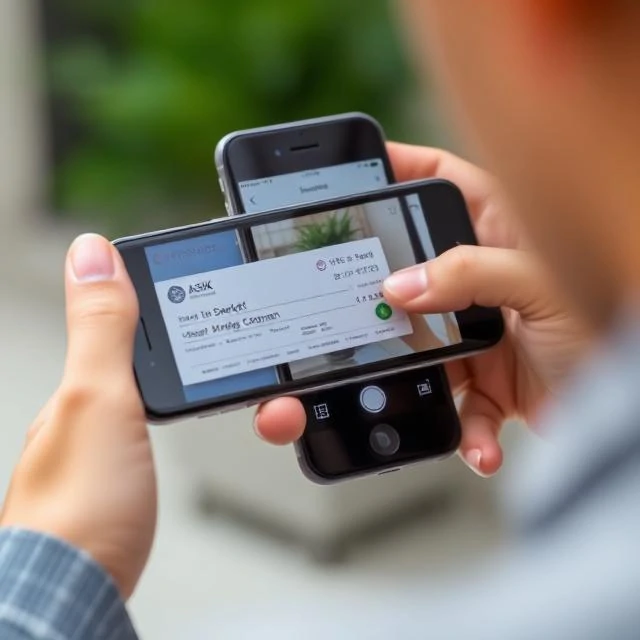
In 2007, the iPhone launched. Within a decade, mobile banking became the primary way many people manage their money. A mobile banking app lets you check balances, deposit checks, pay bills, transfer funds, and apply for loans from a phone. You can freeze a lost card, set spending alerts, and send money to a friend. The branch is optional.
The adoption curve is steep. In 2015, about 40 percent of U.S. adults used mobile banking. By 2023, that figure exceeded 70 percent. For younger customers, it is nearly universal. Community banks and credit unions have rushed to offer apps, often by contracting with third-party vendors. The apps vary in quality. A good one is fast, secure, and intuitive. A bad one drives customers to competitors.
Security is the central concern. Apps use encryption, biometric login, and device binding. They run checks on the device and the network. But phishing and malware remain threats. Fake banking apps have appeared in app stores. Criminals use text messages to trick customers into revealing credentials. Banks warn customers never to share one-time codes and to verify any unsolicited contact.
Mobile banking has expanded access. People without branches nearby can still bank. People without computers can use smartphones. But it has also created new divides. Those without smartphones or reliable internet are left behind. The digital divide is now a banking divide.
Comments (3)
Leave a comment