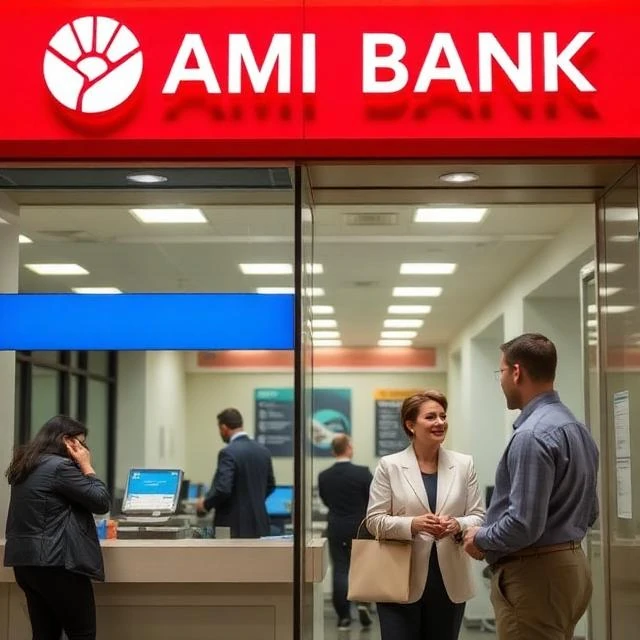
A commercial bank takes deposits and makes loans to individuals and businesses. It is the kind of bank most people think of when they hear the word bank. It offers checking accounts, savings accounts, credit cards, mortgages, auto loans, and small business loans. It operates branches, ATMs, and online banking. It is regulated by government agencies and insured by deposit insurance.
Commercial banks make money on the spread between the interest they pay depositors and the interest they charge borrowers. They also earn fees for services. The largest commercial banks, like JPMorgan Chase, Bank of America, and Wells Fargo, also have investment banking, wealth management, and trading operations. That combination of commercial and investment banking was restricted by the Glass-Steagall Act of 1933, which separated the two. Glass-Steagall was repealed in 1999, and the lines blurred again. The 2008 crisis prompted new rules, but the biggest banks remain diversified.
Commercial banking is a competitive business. Community banks compete with large national banks, credit unions, and online banks. Online banks have lower overhead and can offer higher savings rates and lower fees. Community banks offer personalized service and local knowledge. Large banks offer convenience, technology, and a wide range of products.
Commercial banks are essential to the economy. They channel savings into investment, provide working capital to businesses, and facilitate payments. When they fail, the damage is severe. That is why they are so heavily regulated.
Comments (3)
Leave a comment