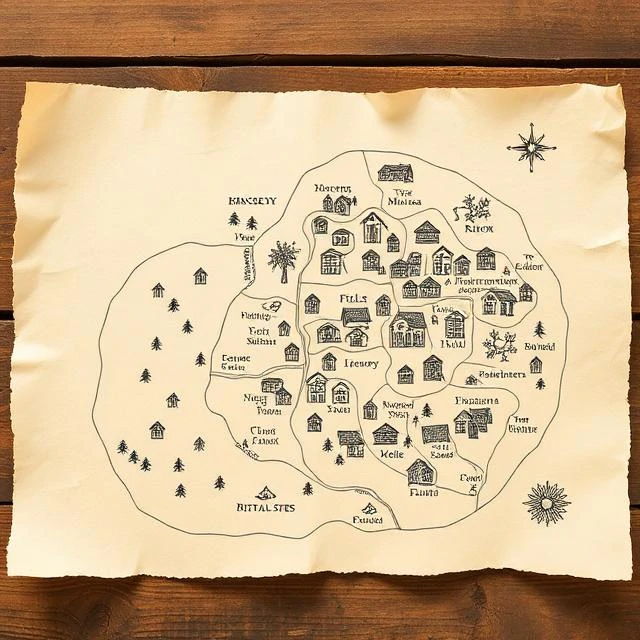
Holism is the approach of studying cultures as integrated wholes rather than as collections of separate parts. An anthropologist influenced by holism does not study religion in isolation from economy, or kinship apart from politics. The assumption is that these domains shape each other. A change in one ripples through the others. You cannot understand farming without understanding land tenure, ritual, and household structure.
The idea runs through the discipline's history. Franz Boas insisted that each culture had to be understood in its own totality. Later anthropologists extended holism to include biology, archaeology, and linguistics, the famous four-field approach in American anthropology. Critics note that no researcher can study everything. Some holism is rhetorical. Still, the commitment to context is real and useful.
What holism looks like in practice
- Studying a ritual alongside the economy that supports it.
- Connecting household organization to wider political structures.
- Combining biological and cultural data in one project.
- Resisting explanations that isolate a single cause.
Holism is less a method than a warning: do not cut the world into pieces too soon.
Comments
No comments yet. Be the first to share a thought.
Leave a comment